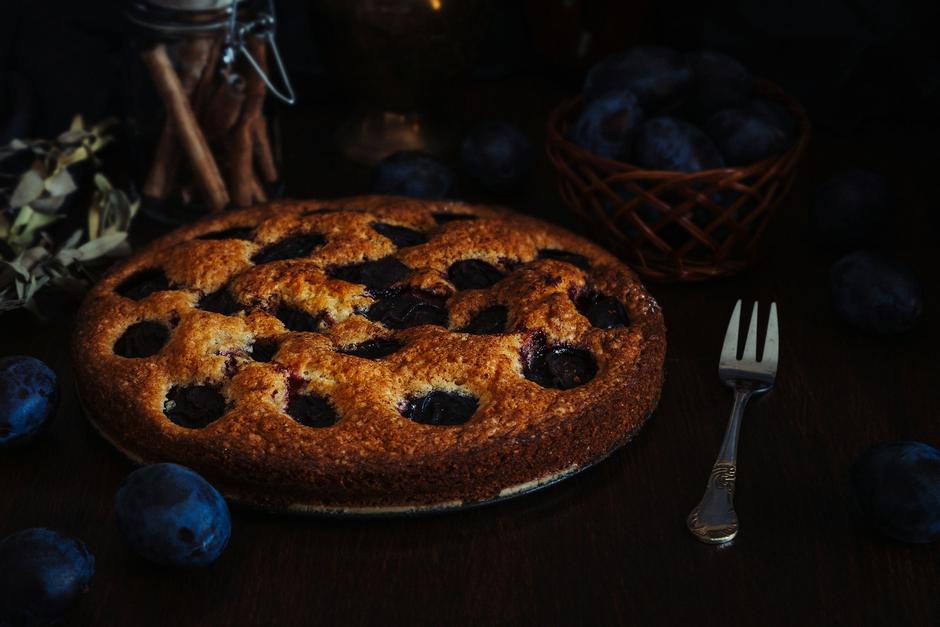
Marian Burros’ Plum Torte, a seemingly simple dessert, has transcended its humble origins to become one of the most celebrated recipes in culinary history, largely thanks to an extraordinary tale that unfolded within the pages of The New York Times. First published in September 1983, this eight-ingredient cake sparked an unprecedented reader “revolt,” solidifying its place not just as a seasonal treat but as an enduring cultural phenomenon.
The culinary journalist Marian Burros introduced her “Plum Torte” – a straightforward recipe requiring just a handful of basic ingredients – to readers, who quickly embraced its simplicity and deliciousness. It became a beloved autumn staple, prompting The New York Times to republish the recipe every September until 1989. However, when editors decided to discontinue the tradition, assuming readers had already saved the recipe, they were met with an overwhelming backlash. The newsroom was inundated with calls and letters from dissatisfied readers demanding the return of their favorite cake, a pressure so immense that the newspaper ultimately relented, reprinting the recipe once more with a promise of its permanent availability in their archives. This dramatic episode transformed an ordinary plum cake into a genuine culinary sensation.
The secret to the torte’s enduring success lies in its remarkable simplicity. With just eight core ingredients – butter, sugar, eggs, flour, baking powder, salt, plums, and cinnamon – it requires no complicated techniques or special equipment, and can even be prepared in a single bowl. This ease of preparation, combined with its irresistible flavor, has captivated generations of home bakers. The rich, buttery dough beautifully absorbs the juices of the plums, which transform into a luscious, jam-like layer during baking. A fragrant cinnamon-sugar crust forms on top, offering a perfect textural and flavor contrast to the soft, moist interior. The result is a dessert that is neither excessively sweet nor overly complex, yet special enough for guests and simple enough for any day.
While originally conceived with smaller Italian plums, the recipe proves remarkably adaptable, lending itself beautifully to other fruits like peaches, nectarines, blueberries, or apples. Beyond its culinary merits, Marian Burros’ Plum Torte has evolved into more than just a cake; it has become a cherished symbol of the transition from late summer to early autumn and a testament to how the most profound successes can often emerge from the simplest forms. It stands as a significant part of American culinary history, proving that a great story can elevate a humble recipe to international renown, rivaling even traditional counterparts like the German Zwetschgenkuchen.
For those eager to recreate this iconic dessert, the original recipe calls for: 115g unsalted butter at room temperature, 150g sugar (plus one tablespoon for sprinkling), 2 large eggs, 125g all-purpose flour, 1 teaspoon baking powder, a pinch of salt, 10 to 12 small plums (halved and pitted), 1 teaspoon cinnamon, and optionally, juice from half a lemon. To prepare, preheat the oven to 175°C and grease and lightly flour a 20-23 cm round springform pan. Cream the softened butter and sugar until light and fluffy, then beat in the eggs one by one. In a separate bowl, combine flour, baking powder, and salt, then add to the wet mixture and mix briefly until just combined. Spread the batter into the prepared pan, arrange plum halves cut-side down on top, and sprinkle with the cinnamon-sugar mixture, adding lemon juice if desired. Bake for 45 to 60 minutes, or until golden brown. Let cool in the pan for ten minutes before removing. It can be served warm or chilled, on its own or with a scoop of vanilla ice cream.